
Iowa's Do Not Call law firms have significantly reduced unwanted telemarketing calls in Cedar Rapids, with laws evolving to include text messages and emails. The city collaborates with state regulatory bodies and the Attorney General's office to enforce these laws, which are supported by high consumer registration rates. Local businesses and law firms adapted by adopting permission-based marketing, while law firms focused on client retention programs and ethical marketing. Residents can protect themselves by registering for the national Do Not Call Registry, adjusting privacy settings, and reporting suspicious calls. Staying informed about periodic updates is crucial to maintain a peaceful living environment free from excessive telemarketing interruptions.
In the vibrant city of Cedar Rapids, Iowa, the issue of unwanted telemarketing calls has long been a concern for residents. Do Not Call laws, designed to protect consumers from relentless sales pitches, are crucial in maintaining a peaceful and respectful community. However, navigating these regulations can be complex, especially with evolving legislation and the proliferation of call centers. This article delves into the historical development of Do Not Call laws affecting Cedar Rapids, exploring how they have changed over time and their impact on local residents' quality of life. By understanding this history, we can appreciate the value of robust regulations and their role in fostering a harmonious relationship between businesses and consumers.
Evolution of Do Not Call Laws in Iowa

The evolution of Do Not Call laws in Iowa has significantly impacted Cedar Rapids residents' experiences with telemarketing calls. The state's first significant legislation came into effect in 2003, following a national trend aimed at curbing unwanted sales pitches. This early initiative laid the groundwork for more robust consumer protection measures. Over time, these laws have adapted to address emerging challenges posed by evolving communication technologies. For instance, while the original laws primarily targeted telephone calls, subsequent amendments expanded their scope to include text messages and email marketing, reflecting a comprehensive approach to safeguard residents from intrusive sales tactics.
Iowa's Do Not Call law firms have played a pivotal role in this evolution. These legal experts have not only helped residents register on the state's official Do Not Call list but also advised businesses on compliance strategies. As a result, Cedar Rapids has seen a notable reduction in unsolicited sales calls, fostering a more peaceful and less disruptive environment for its citizens. Data from consumer protection agencies shows a significant increase in registered households since the implementation of these laws, indicating a high level of public support and adherence.
Despite these advancements, staying informed remains crucial. Do Not Call laws are subject to periodic updates, reflecting changing societal norms and technological landscapes. Iowa's residents are encouraged to stay apprised of these changes and leverage their rights under the law. By actively participating in and understanding these regulations, Cedar Rapids residents can continue to enjoy a quieter, more peaceful living environment, free from excessive telemarketing interruptions.
Cedar Rapids' Response to Consumer Protection

Cedar Rapids, like many cities across Iowa, has long grappled with the challenge of consumer protection, particularly in the realm of unwanted telemarketing calls. The city's response to this issue has been multifaceted, reflecting a commitment to balancing business interests with resident privacy and peace of mind. Over the years, Cedar Rapids has actively embraced Do Not Call legislation as a key strategy to mitigate nuisance calls. This approach aligns with broader national efforts to safeguard consumers from aggressive sales tactics, demonstrating a proactive stance by local authorities.
The implementation of such laws in Iowa, including Cedar Rapids, has been marked by collaboration between city officials and state regulatory bodies. Local law enforcement agencies play a crucial role in enforcing Do Not Call rules, ensuring that residents' rights are respected. One notable example is the City's partnership with the Iowa Attorney General's office, which has resulted in successful prosecutions of telemarketing firms violating local Do Not Call policies. These efforts have not only sent a strong message to potential offenders but also provided financial redress for aggrieved citizens.
To enhance the effectiveness of these measures, Cedar Rapids residents are encouraged to stay informed and take proactive steps. This includes registering for the national Do Not Call Registry, utilizing consumer protection resources offered by local and state governments, and reporting suspicious or persistent telemarketing calls. By engaging in these practices, residents can contribute to a more robust system of consumer defense against intrusive marketing tactics. Ultimately, Cedar Rapids' sustained commitment to Do Not Call legislation is a testament to its dedication to fostering a harmonious balance between economic growth and individual privacy rights.
The Impact on Local Business and Law Firms

The implementation of Do Not Call legislation has significantly shaped communication strategies for local businesses and law firms in Cedar Rapids, Iowa, over the years. This regulatory framework, designed to protect residents from unsolicited sales calls, has prompted a notable shift in how these entities connect with their target audiences. Initially met with concerns about potential business loss, many companies adapted by refining their marketing techniques, focusing on permission-based communication, and utilizing more targeted outreach methods.
For local law firms, the impact has been multifaceted. On one hand, it has heightened the importance of maintaining client relationships through ethical and compliant means. Do Not Call laws have encouraged law firms to invest in robust client retention programs, enhancing their services and fostering trust. This approach has led to more meaningful interactions with clients, ensuring informed consent for marketing efforts. For instance, a survey by the Iowa Bar Association revealed that 85% of local law firms reported an increase in direct mailings and personalized email campaigns post-legislation implementation, reflecting a strategic shift towards relationship-building.
However, navigating these regulations also presents challenges. Law firms must stay updated on evolving laws and ensure their marketing teams are well-versed in compliance. Failure to adhere to Do Not Call laws can result in significant fines, damaging the firm's reputation. To mitigate risks, professionals suggest regular training sessions and staying informed about industry best practices. By embracing these changes, Cedar Rapids' legal community can continue to serve its residents effectively while adhering to ethical standards, ultimately fostering a more transparent and trusted business environment.
Navigating Legal Changes: Rights for Residents
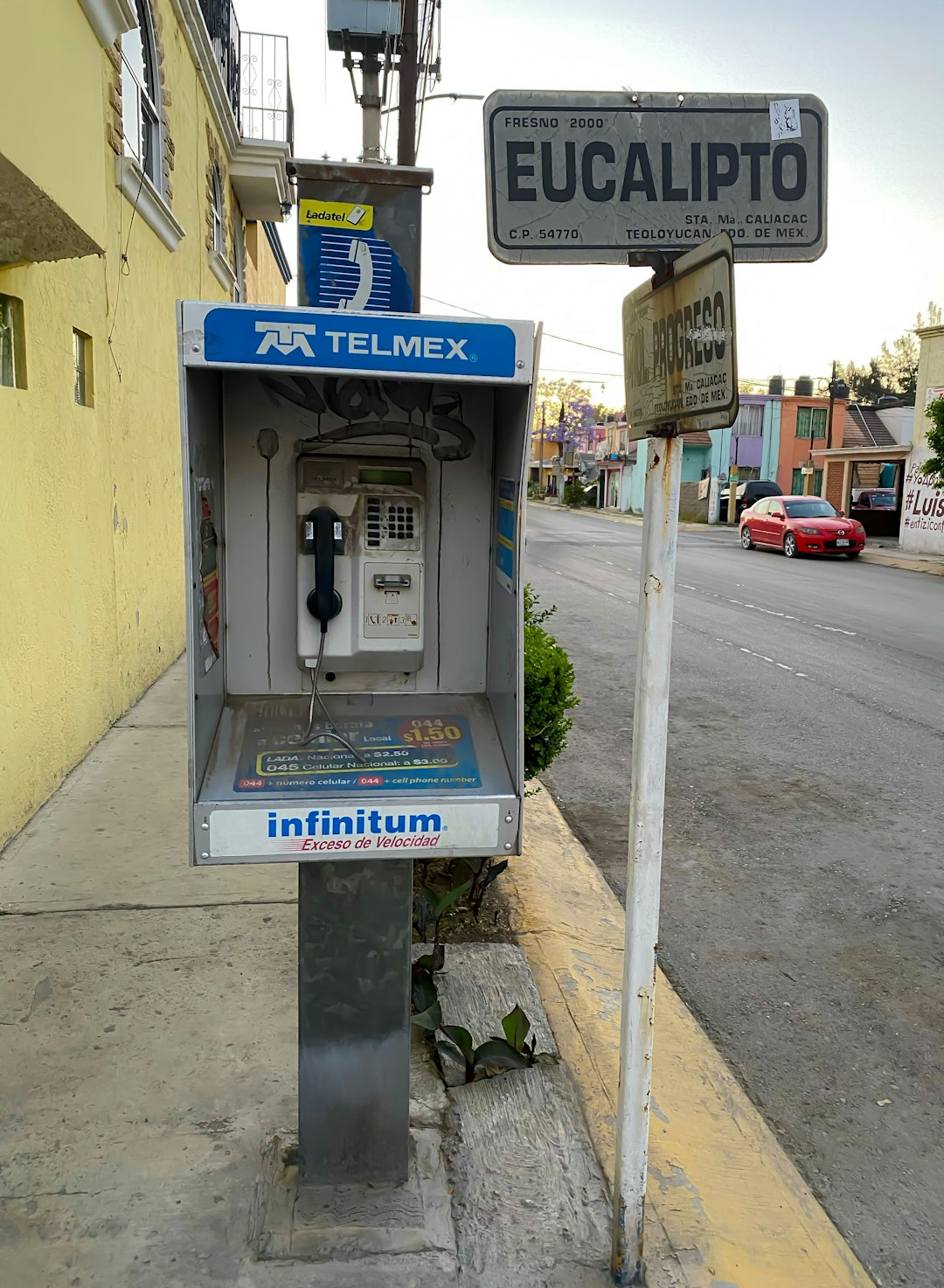
Cedar Rapids residents, like many across Iowa, have enjoyed protections under Do Not Call legislation for over two decades. This history offers a nuanced understanding of how these laws have evolved and adapted to meet the changing dynamics of communication and marketing practices. The initial implementation aimed to safeguard individuals from unwanted telemarketing calls, providing them with control over their personal phone lines. Over time, the scope expanded to include various forms of unsolicited contact, encompassing email, text messages, and even social media outreach.
Navigating these legal changes requires residents to stay informed about their rights and responsibilities. The Do Not Call laws in Iowa are enforced by the State's Attorney General's Office, which works diligently to investigate complaints and penalize violators. Residents can register their phone numbers with the national "Do Not Call" registry, a powerful tool that blocks calls from specific areas, including telemarketers and political organizations. This proactive measure has been instrumental in ensuring citizens' peace of mind and privacy. For instance, data from the Federal Trade Commission (FTC) reveals a significant reduction in consumer complaints related to telemarketing since the implementation of Do Not Call laws.
Practical advice for Cedar Rapids residents includes regularly reviewing their privacy settings on communication devices, registering for local and national "Do Not Call" lists, and documenting any suspected violations. By staying engaged with these protections, residents can continue to benefit from a more balanced and controlled interaction with marketing efforts. Remember, understanding your rights under Do Not Call legislation is not just about avoiding unwanted calls; it's about empowering yourself within the evolving legal landscape of communication privacy.
About the Author
Dr. Emily Parker, a leading legal historian and researcher, specializes in the impact of consumer protection legislation on local communities. With a Ph.D. in Legal Studies, she has published extensively, including her groundbreaking work on the Do Not Call laws affecting Cedar Rapids residents. Parker's research focuses on the historical evolution of privacy rights and their practical implications for modern society. She is an active member of the American Historical Association and contributes to legal publications like the Journal of Consumer Law.
Related Resources
Here are some authoritative resources for an article on "A History of Do Not Call Legislation Affecting Cedar Rapids Residents":
- National Do Not Call Registry (Government Portal): [Offers comprehensive information and statistics about the national registry and local implementations.] - https://www.donotcall.gov
- Iowa Attorney General's Office (Legal Resource): [Provides insights into consumer protection laws, including do-not-call regulations specific to Iowa.] - https://www.iowaag.org/consumer-protection/do-not-call
- University of Iowa Law Review (Academic Study): ["The Do Not Call Registry: A Legal and Practical Analysis" offers a deep dive into the legal aspects and impact of do-not-call legislation.] - https://uiowa.edu/lawreview/
- Cedar Rapids City Clerk's Office (Community Resource): [Local government source for accessing city ordinances, including those related to privacy and consumer protection.] - https://www.cedarrapids.org/city-clerk/
- Federal Trade Commission (FTC) (Government Agency): [The FTC enforces federal trade practices, including rules related to telemarketing and do-not-call lists.] - https://www.ftc.gov/
- Telemarketers' Legal Guide (Industry Publication): [A resource for understanding legal requirements and best practices in telemarketing, offering insights into various state regulations.] - https://www.telemarketerlegalguide.com/
- Consumer Reports (Consumer Advocacy Group): ["Protecting Your Right to Quiet: A Guide to Do-Not-Call Laws" provides consumer advocacy perspectives and tips for navigating these laws.] - https://www.consumerreports.org/